logo
     
Olallie Daylily Gardens

Homepage
Home

print catalog cover
Our Daylily Catalog

order
Ordering Information

Welcome!

June is Iris Time

Peak Season

Early Blooming Daylilies

Hemerocallis Species

Preparing an Order

Gardening Tips

Daylily Origins

Farm History

Request a Catalog

Bulletin Board

Driving Directions


KEY Terminology of Cultivar Descriptions


VT CALIFORNIA SUN
mid July     re     6.5 x 32     tet   D   ext, frag, noct
10 bud/scape     descriptions
A...$14     B...$10
NEW, fragrant, hefty
Best Bloomers Best Bloomer
long season bloomer or high bud count

  • VT- Unregistered daylilies that came from from Dr. George Darrow.
  • Bloom Season- average time bloom season begins at our farm. Cultivars bloom for 4 weeks on the average, unless otherwise noted. Bloomtimes vary depending on climate.
  • Rebloom- refers to daylilies that send up new scapes, usually after a short rest period.
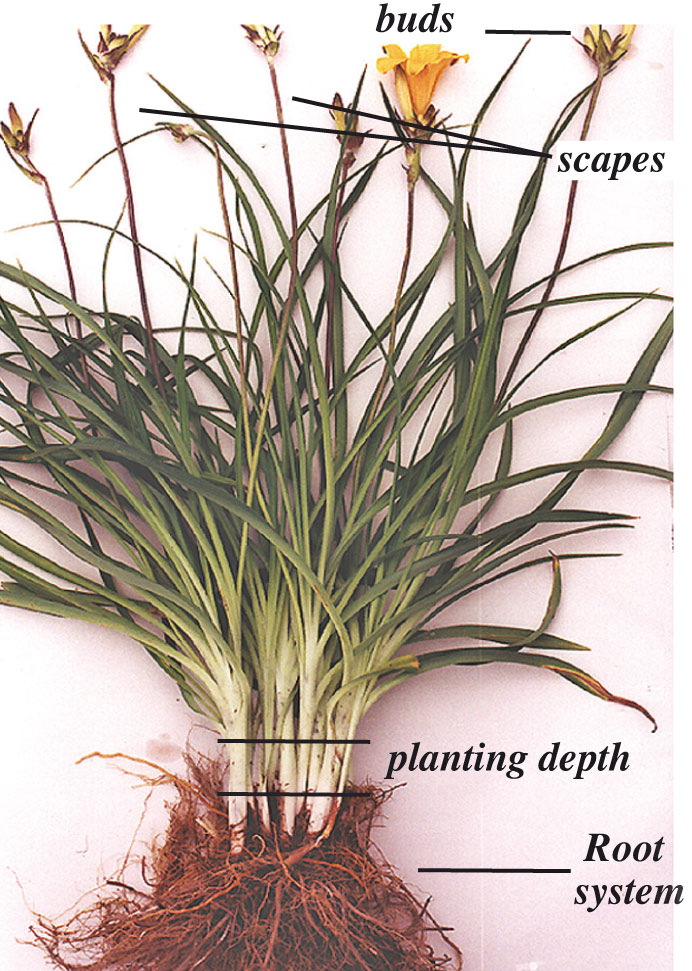
  • Size- (i.e. 5 x 24) Average flower width and height of scape.
  • Dip Diploids have one set of chromosomes.
    TET- Tetraploids have two sets of chromosomes and are generally larger than DIPs.
  • D- dormant foliage in winter
    SE- semievergreen foliage
    E- evergreen year round, generally considered less hardy in northern climates
  • ext- extended hours of bloom
    frag- fragrant
    noct- nocturnal bloomer
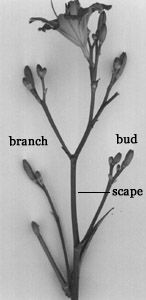
  • b/s- buds/scape average number of buds on an average scape
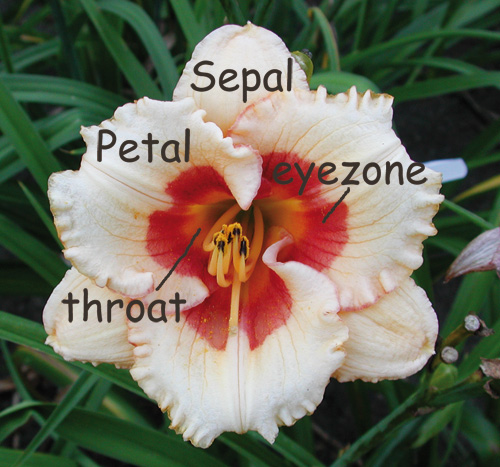
Terminology of Cultivar Descriptions Terminology of Cultivar Descriptions
Terminology of Cultivar Descriptions
  • Descriptions-
    tepals is the word for both the petals and sepals.
    bicolor is a blossom of two different colors, petals one, sepals another.
    Eyezones a wide ring around the top of the throat.
    Halo fainter ring than an eyezone.
    Ruffling usually occurs around the edges of the petals and sepals.
    Edging or Picotee an outlined effect around the edges of the petals and/or sepals.
    AHS American Hemerocallis (Daylily) Society
    New: Newly listed offering in our catalog.
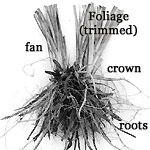
    hefty: Unusually large plants with a size exception: A=2 fans, B=1 fan.
    fragrant: These are daylilies we have observed to be fragrant in our fields.

Choose the plant size
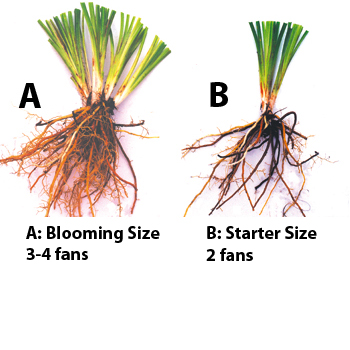
Which size you choose is dependent on how willing you are to wait for bloom. We offer two size choices: Size A: mature divisions of 3 fans or more; or Size B: smaller divisions of 2 fans or more at a lower cost (exceptions are marked with 'hefty'). Size A is larger, and will bloom the first season after planting under most circumstances. The starter size B is smaller, and will generally bloom in its second season. It may bloom sooner in some circumstances.
bareroots sizes A and B
CHOOSE YOUR SIZE
Size A: Blooming Size of 3 fans or more (hefty=1)
Size B: Starter Size of 2 fans or more (hefty=2)

Our Guarantee
We guarantee the plants we ship to be healthy when they leave here and true to name. If upon receipt of our product you are in any way dissatisfied, immediately return the plant with original label and receipt for a full refund or exchange. Claims received over three weeks after order was shipped will not be granted, unless there is a question of identity. It is the customer's responsibility to care for the plants upon receiving them. A Daylily Cultivation Guide will be included in every shipment. Please follow its instructions for best results. Our farm is in USDA Zone 4.

Color and Performance
We describe our daylilies as they perform on our farm. Please read the descriptions thoroughly, as the photos do not tell the whole story. Some difference in appearance and performance is to be expected in a new location and under different growing conditions. As there is no such thing as a blue daylily, a purple here is not the same as an Iris purple. Also, many daylilies contain some trace of yellow. We use industry standards to describe color.


Contact Information:
Olallie Daylily Gardens
129 Augur Hole Road
South Newfane, Vermont 05351
Driving directions
Telephone: (802)-348 6614
E-mail: info@daylilygarden.com
Website by Webwerk

Home / Catalog / Ordering Info / Tips / Origins / Farm History / Bulletin Board